Creating a winter herb garden in your greenhouse is one of the most rewarding ways to enjoy fresh flavors year-round,even when snow covers the ground outside.A greenhouse provides protection from frost,wind,and extreme cold,allowing you to grow hardy and semi-hardy herbs successfully with minimal extra effort.
Here’s a complete step-by-step guide to get you started.
1.Choose the Best Herbs for Winter Greenhouse Growing
Focus on cold-tolerant,evergreen,or cool-season herbs that thrive(or at least survive)in lower light and cooler temperatures.These top performers will give you the best results:
Here are some excellent examples growing happily in a greenhouse setting:
Thyme—Compact,aromatic,and very cold-hardy.
Sage—Hardy evergreen with flavorful leaves.
Rosemary—Tolerates cool temps(down to around 40–50°F);keep it slightly drier.
Chives—Super easy;cut back and they regrow steadily.
Parsley—Biennial that loves cooler weather and provides continuous harvests.
Mint—Vigorous in pots(contain it to prevent spreading!).
Oregano—Tough perennial that keeps producing.
Cilantro—Grows well in cooler conditions without bolting quickly.
These herbs slow down in growth during short winter days but stay harvestable.
2.Prepare Your Greenhouse Setup
Temperature—Aim for daytime 55–70°F(13–21°C)and nights above 40°F(4°C).Most unheated greenhouses stay warmer than outdoors(often 10–25°F difference).Use row covers,fleece,or bubble wrap insulation on colder nights.If needed,add a small heater with thermostat for extreme cold.
Lighting—Winter days are short,so maximize natural light by placing plants on south-facing benches.For steady growth,supplement with LED grow lights(full-spectrum,12–14 hours/day on a timer).
Humidity&Ventilation—Keep humidity around 40–60%(mist if dry).Ventilate on milder days to prevent mold and ensure fresh air.
Shelving&Layout—Use benches,shelves,or tables to organize pots.Group herbs by water needs.
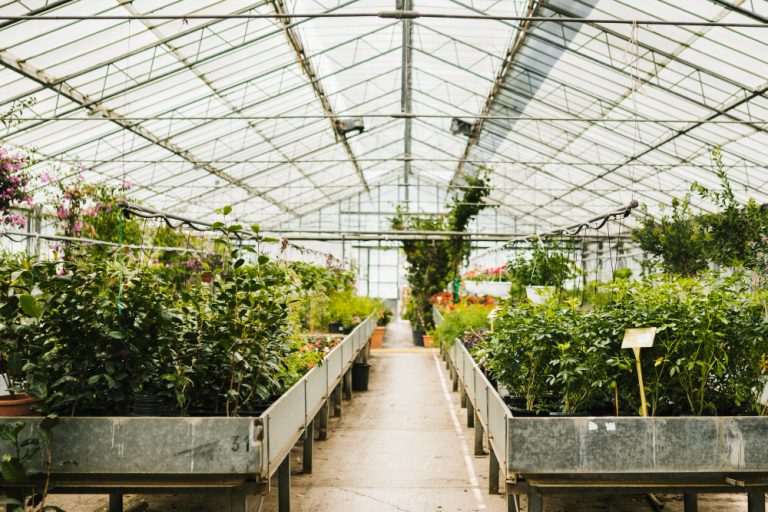
This organized greenhouse herb setup shows how neatly you can arrange everything:
3.Planting and Potting
Use well-draining potting mix(add perlite or sand for Mediterranean herbs like rosemary/thyme to prevent root rot).
Plant in individual pots or containers—this makes it easy to move them around for better light and control watering.
Options:
Dig up established plants from your outdoor garden in early fall/autumn and pot them up.
Start from seeds(parsley,cilantro,chives)or buy young plants.
Space pots for good airflow and label everything!
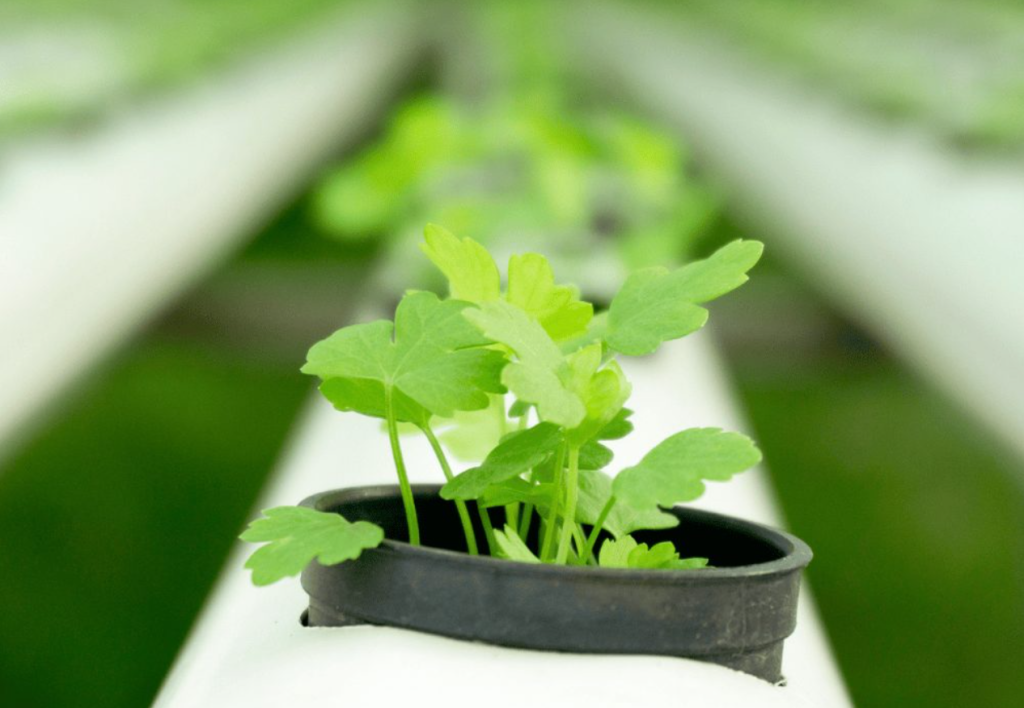
Here’s a beautiful example of potted herbs thriving together:
4.Winter Care Tips
Watering—Water sparingly—let the top 1–2 inches of soil dry out.Overwatering in cool conditions causes rot.
Fertilizing—Reduce or skip fertilizer(plants grow slowly).Use half-strength organic liquid feed every 4–6 weeks if growth is active.
Pruning/Harvesting—Snip regularly to encourage bushy growth.Harvest in the morning for best flavor.Never take more than 1/3 of the plant at once.
Pests—Watch for aphids or spider mites(less common in winter).Good airflow helps prevent issues.
Mulch—Add a layer of organic mulch on soil surface to insulate roots.
5.Extra Tips for Success
Rotate pots every week or two for even light exposure.
Start succession sowing(every 3–4 weeks)for cilantro/parsley to ensure continuous supply.
Your greenhouse becomes a cozy winter retreat—fragrant,green,and productive!
With these steps,you’ll have fresh rosemary for roasts,thyme for soups,and chives for eggs all winter long.
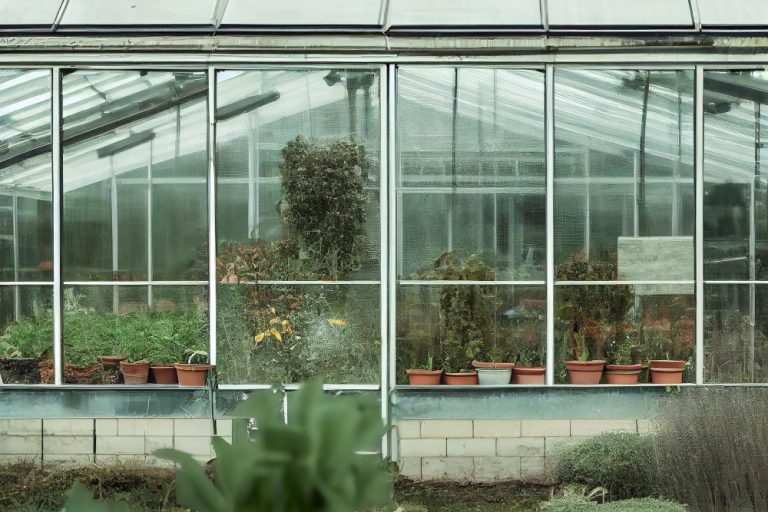
Here’s one more inspiring view of a thriving winter greenhouse herb collection:
Happy gardening—enjoy those fresh winter harvests!🌿❄️