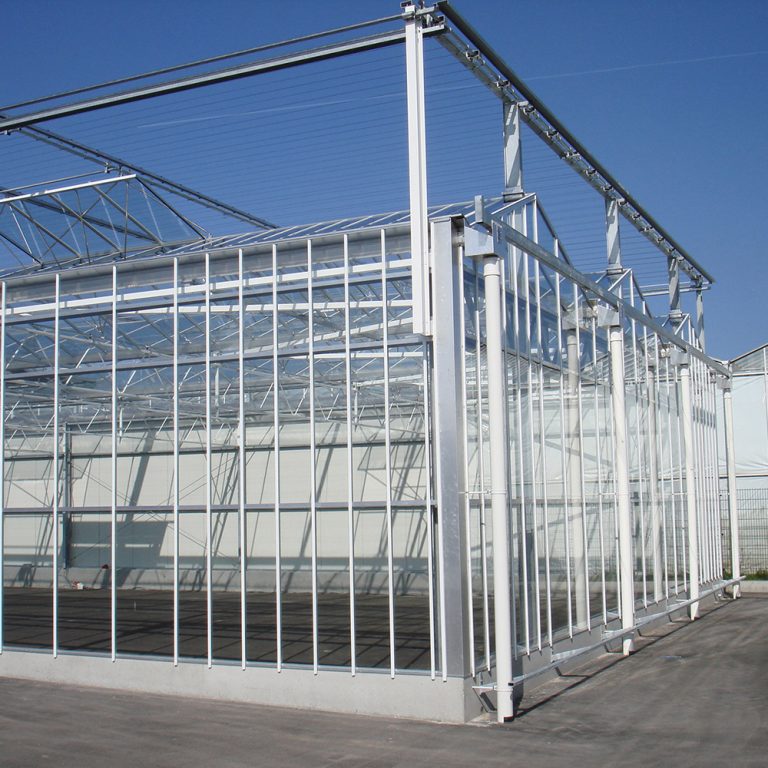
Greenhouses create a controlled, warm environment for plants by harnessing solar energy and minimizing heat loss. This allows year-round gardening, even in cold climates, by extending growing seasons and protecting plants from harsh weather.The Basic Mechanism
- Sunlight Enters: Shortwave solar radiation (mostly visible light) passes easily through transparent materials like glass or polycarbonate panels.
- Heat Absorption: Inside, this light is absorbed by plants, soil, benches, and air, converting to longer-wave infrared radiation (heat).
- Heat Trapping:
- The primary way heat is retained is by preventing convection — the structure is sealed, limiting air exchange with cooler outside air. Warm air rises but stays trapped inside.
- Glass and some plastics are partially opaque to infrared, reducing radiative heat loss (though this is secondary compared to convection blocking).
- Soil and other materials store heat (thermal mass), releasing it slowly at night.
- Temperature Rise: This creates a warmer microclimate, often 10–30°C higher than outside.
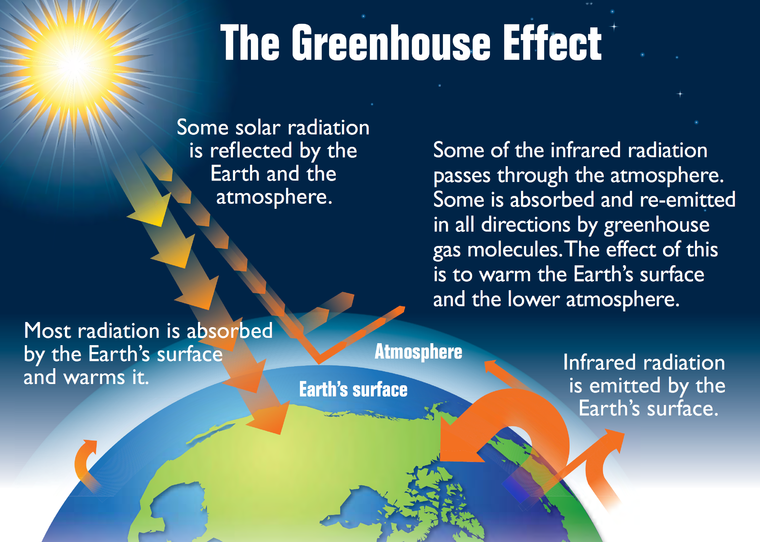
Common Misconception: The “Greenhouse Effect” AnalogyPeople often compare greenhouses to Earth’s greenhouse effect, where gases like CO₂ trap infrared radiation. However, this is a misnomer:
- Actual greenhouses primarily block convection (air movement).
- Earth’s atmosphere traps heat via radiation absorption by greenhouse gases.
- The name stuck historically, but the physics differ.
Additional Factors for Optimal Function
- Ventilation → Essential to release excess heat/humidity and prevent diseases; uses vents, fans, or automatic systems.
- Humidity Control → Plants transpire, raising humidity, which aids growth but needs management.
- Materials → Glass excels at durability and light transmission; polycarbonate offers better insulation; polyethylene is affordable but less effective at blocking infrared.
- Supplemental Heating → In very cold areas, heaters or thermal mass (e.g., water barrels) help.
In summary, greenhouses work through a combination of solar heating, reduced convection, and some radiative trapping—simple physics that creates an ideal growing environment!