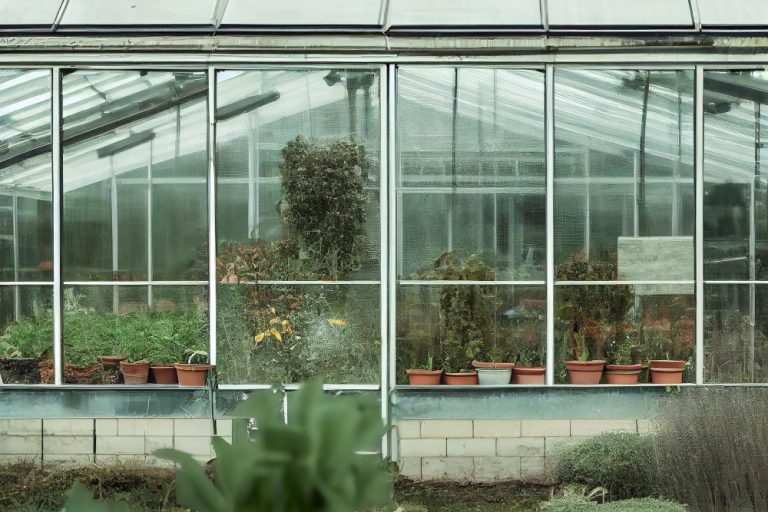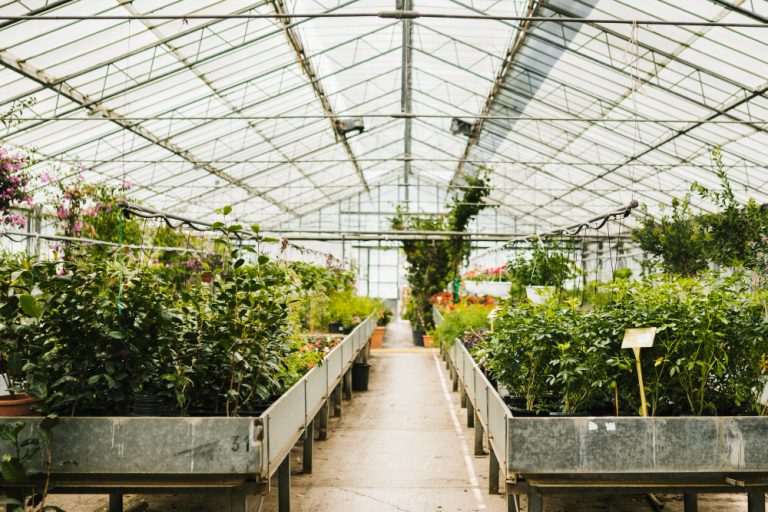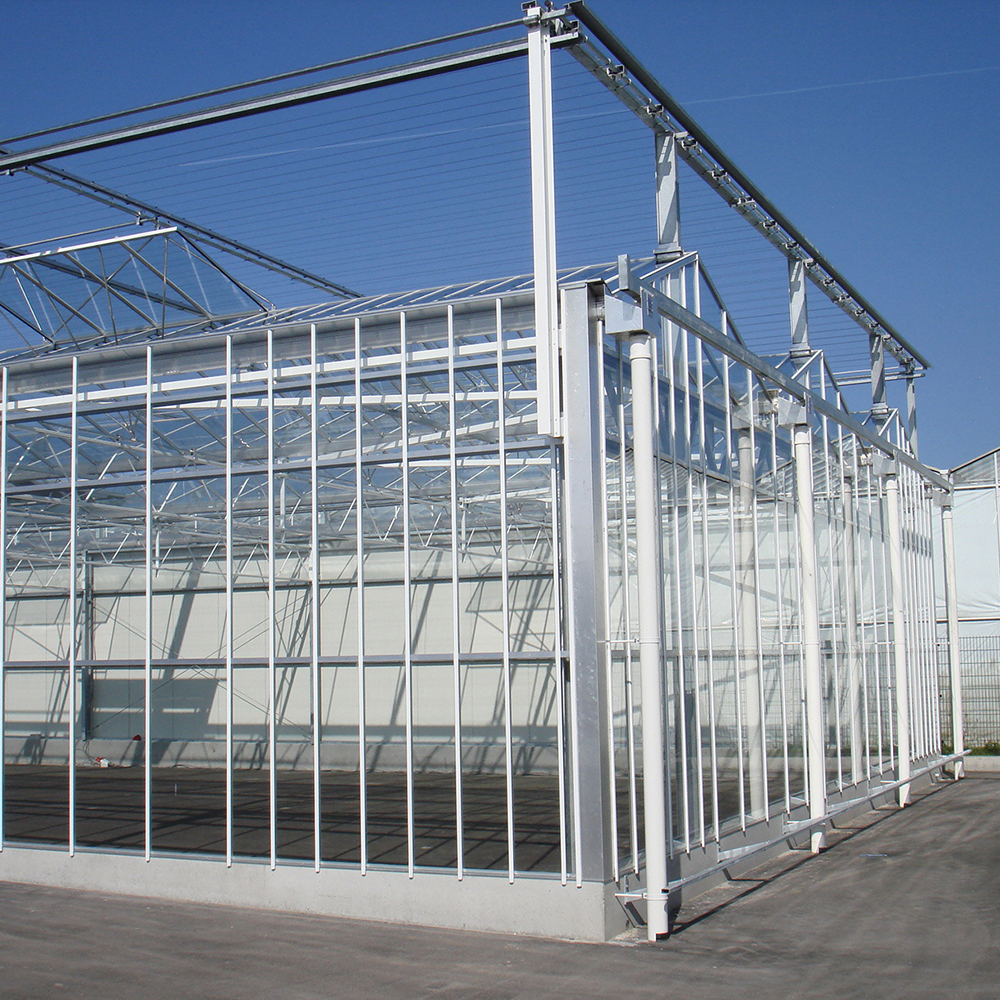
Glass greenhouses create a controlled microclimate ideal for year-round crop growth by leveraging the greenhouse effect while providing physical protection and varying degrees of heat insulation.How Glass Greenhouses Protect CropsGlass serves as a durable, transparent barrier that shields plants from harsh external conditions without blocking sunlight. Key protections include:
- Weather resistance — Blocks wind, rain, hail, snow, and extreme temperatures.
- Pest and disease control — Creates an enclosed environment that keeps out insects, birds, and pathogens.
- UV and light management — Modern greenhouse glass (e.g., tempered or diffused) can filter or scatter harmful UV rays while allowing beneficial photosynthetically active radiation (PAR) to reach crops evenly, reducing plant stress and burn.
Traditional glass greenhouses often use tempered glass for safety and strength, making them long-lasting structures.How the Greenhouse Effect Provides HeatThe primary way glass greenhouses stay warm is through the greenhouse effect:
- Shortwave solar radiation (visible light) passes easily through the transparent glass.
- Plants, soil, and interior surfaces absorb this light and re-emit it as longwave infrared radiation (heat).
- Glass is largely opaque to this longer-wavelength infrared, trapping the heat inside and raising the interior temperature—often 10–30°F (5–15°C) above outside levels, even in winter.
This natural process is the main heat source for most greenhouses, supplemented by heaters only when needed.Heat Insulation in Glass GreenhousesWhile the greenhouse effect traps radiated heat, glass itself provides limited conductive insulation compared to materials like polycarbonate or double-layer plastic film. Single-pane glass has poor thermal resistance (low R-value), leading to significant heat loss at night or in cold weather.Improvements for better insulation include:
- Double or triple glazing — Layers of glass with air or gas gaps (e.g., 5mm + 6mm air space + 5mm) dramatically reduce conduction and convection losses, similar to home windows.
- Low-emissivity (low-E) coatings — Reflect infrared heat back inside while allowing visible light through.
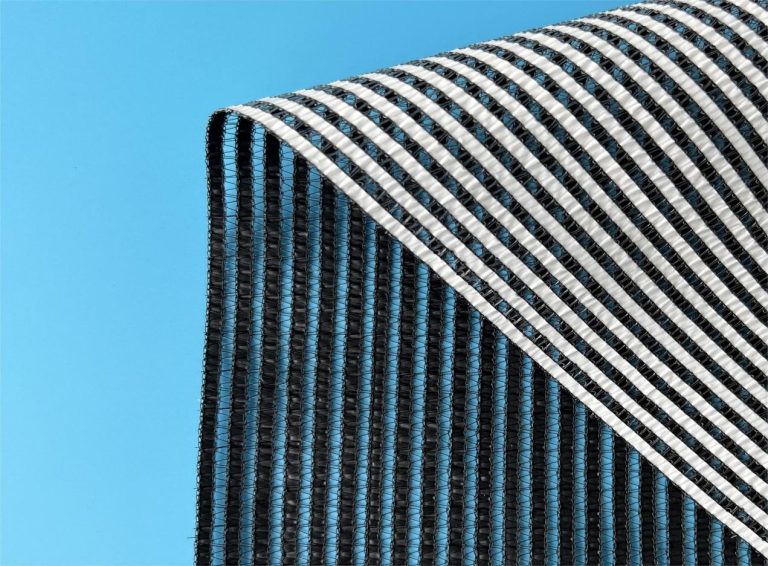
- Thermal screens or bubble wrap — Temporary interior layers added in winter to cut heat loss further.
- Specialized glass — Diffused or scattering glass that also helps retain warmth.
In colder climates, these upgrades can reduce heating costs by 30–50% compared to basic single-pane glass.Glass greenhouses excel at maximizing natural light and durability while protecting crops, with the classic greenhouse effect providing passive heating. For superior built-in insulation in very cold regions, alternatives like polycarbonate are sometimes preferred, but advanced glass options close the gap effectively.